






 |
||||||||||||||||||
 |
|
 |
||||||||||||||||
 |
||||||||||||||||||












|
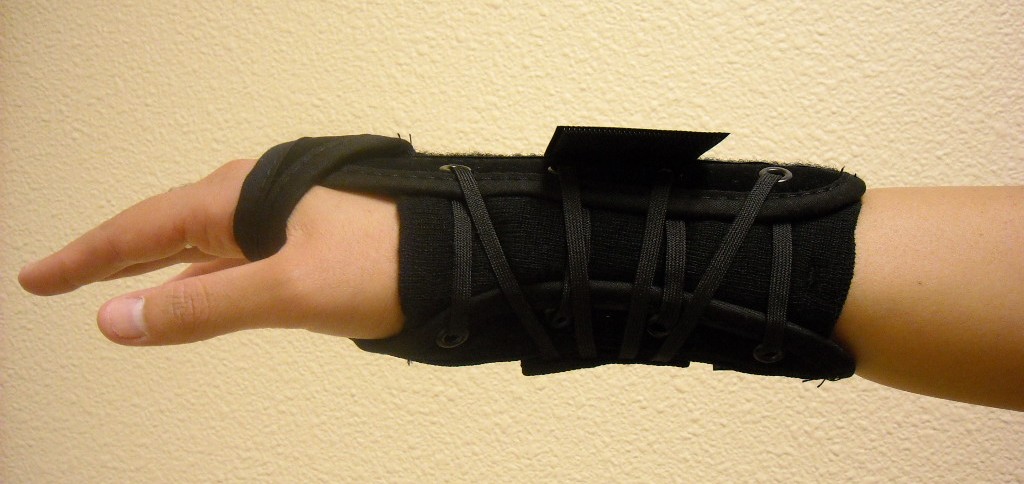
What is Carpal Tunnel Syndrome? Dr. Lewis specializes in the treatment of both primary and recurrent/failed carpal tunnel syndrome. Typical carpal tunnel syndrome causes numbness or tingling in the thumb, index, and middle fingers. Frequently it will wake you up at night with burning and pain in the hand. Late findings include dropping objects and wasting in the thumb muscles. Carpal tunnel syndrome is very common as people age. The carpal tunnel is a space in the wrist where the median nerve and 9 tendons pass. It is bound by bones on 3 sides and the transverse carpal ligament. Anything that increases swelling in the tunnel can increase pressure on the median nerve. Risk factors include age over 50 and female gender. Underlying medical issues can also be a risk factor including diabetes, hypothyroidism, rheumatoid arthritis, pregnancy, and fractures. How is carpal tunnel syndrome treated? Initial treatment involves wearing carpal tunnel splints while sleeping at night. These can be obtained at our office or your local pharmacy/medical supply store, and will hold your wrist straight while you sleep at night. Activity modification can also help, such as avoiding vibration by using gloves while biking or while using power tools. If splints do not improve symptoms, we recommend a consultation to confirm the diagnosis. A cortisone injection can be helpful in relieving symptoms but often are temporarily beneficial. Change in diet, medications, and physical therapy offers limited benefit for most people.
Carpal tunnel splint
Is surgery needed? Surgery involves an outpatient procedure in an operating room. Dr. Lewis performs the surgery under sedation (like colonoscopy or cataract surgery), but other options are available including straight local anesthesia. He is proficient at both mini-open and endoscopic release techniques. Both options release the transverse carpal ligament, thereby increasing the volume of the carpal tunnel and decreasing pressure on the median nerve. Results are typically very successful. |
 |
 |
|




| Site Map |